Catalog
Metrology
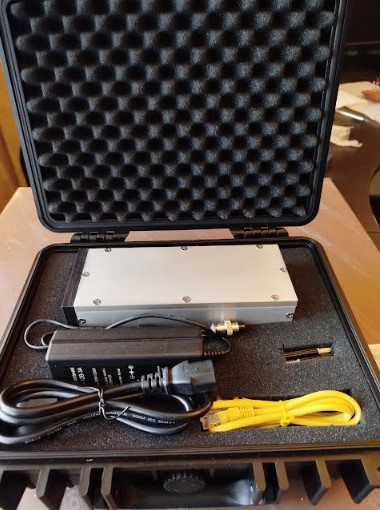
Фазометрический комплекс ФМК125
from
2500000.00
Высокоточные Бесконтактные Измерительные Системы
Nizhny Novgorod
Search
3937 products
View:
- Selected: 0Foreign brand
- Selected: 0By name of foreign product
- Selected: 0Item names
- Selected: 0Russian analogue
- Selected: 0Areas of use
View:
3937 products
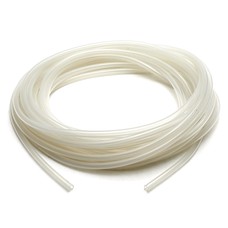
Silicone hose 8x2
Silicone hose with an inner diameter of 8 mm is used to connect circulation coolers A160 and A300 with thermostats of the W series or to external consumers.
Termeks
Tomsk
Produced in: Tomsk
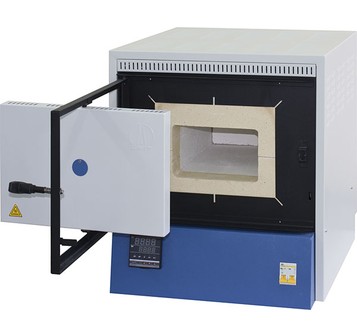
Muffle furnace LF-5/11-G1
Design features:
Durable ceramic muffle;
Closed heaters on four sides of the chamber;
Microprocessor temperature controller;
Conveniently located control panel and bright LED display;
Ease of management and control;
LED indicators of heater operation and protection operation;
Automatic shutdown of heating when opening the door;
Alarm when the current temperature exceeds the limits of the permissible range;
Highly efficient thermal insulation of the housing;
The furnace body is made of high-quality sheet steel and painted with heat-resistant powder paint.
Technical specifications:
Maximum heating temperature, °C +1100
Temperature stability in steady-state thermal mode, °C ± 10
Warm-up time to maximum temperature, no more than 120 min
Dimensions of the working chamber, WxHxD, not less than 200x110x190 mm
Overall dimensions, WxHxD, not more than mm 505x565x565
Rated supply voltage, 220 V
Rated power, W 2800
LOIP
Saint Petersburg
Produced in: Saint Petersburg

Flowmeter-counter ultrasonic Oriole
from
200 000 ₽
The ultrasonic Oriole flow meter is designed to measure the volumetric flow rate and volume of liquid in pressure pipelines.
The measured medium can be any homogeneous isotropic liquid of various densities, including:
clean cold and hot water supply and heating systems (up to +160 °C);
natural water is clean and of a low degree of pollution;
wastewater of low and medium degree of contamination;
chemical solutions of acids, alkalis and other chemically aggressive media;
mineral, synthetic and semi-synthetic machine oils;
food products (vegetable oil, juices, syrups, vodka, ketchups, dairy products, etc.).
Secondary converter
It is available in both stationary (~220 V) and portable versions with autonomous power supply.
Primary converters
Mortise, contactless overhead outside and full-bore primary converters embedded in the process allow you to place the measurement gate on any water pipe made of any material, taking into account design features.
Pipe sizes
Du, mm: 25, 32, 40, 50, 65, 80, 100, 150, 200, 250, 300, 350, 400, 500, 600, 700, 800, 900, 1000, 1200, 1400, 1600, up to 6000 mm
ICF VOLGA
Moscow
Produced in: Moscow
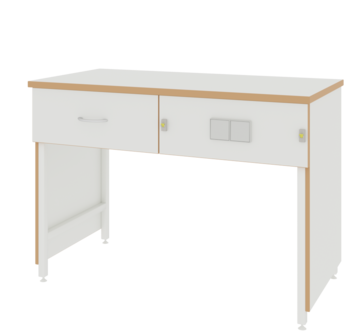
Laboratory LAB table-1200 LLE
PACKAGE
CONTENTS case – melamine 16mm thick
1 drawer, inner drawer size – 400*470* 100mm
2 splash-proof sockets with cover (IP20 1.5kW)
2 automatic emergency power off 16A
2 all-welded frames made of rectangular metal profile painted with white powder paint
adjustable supports
LOIP
Saint Petersburg
Produced in: Saint Petersburg
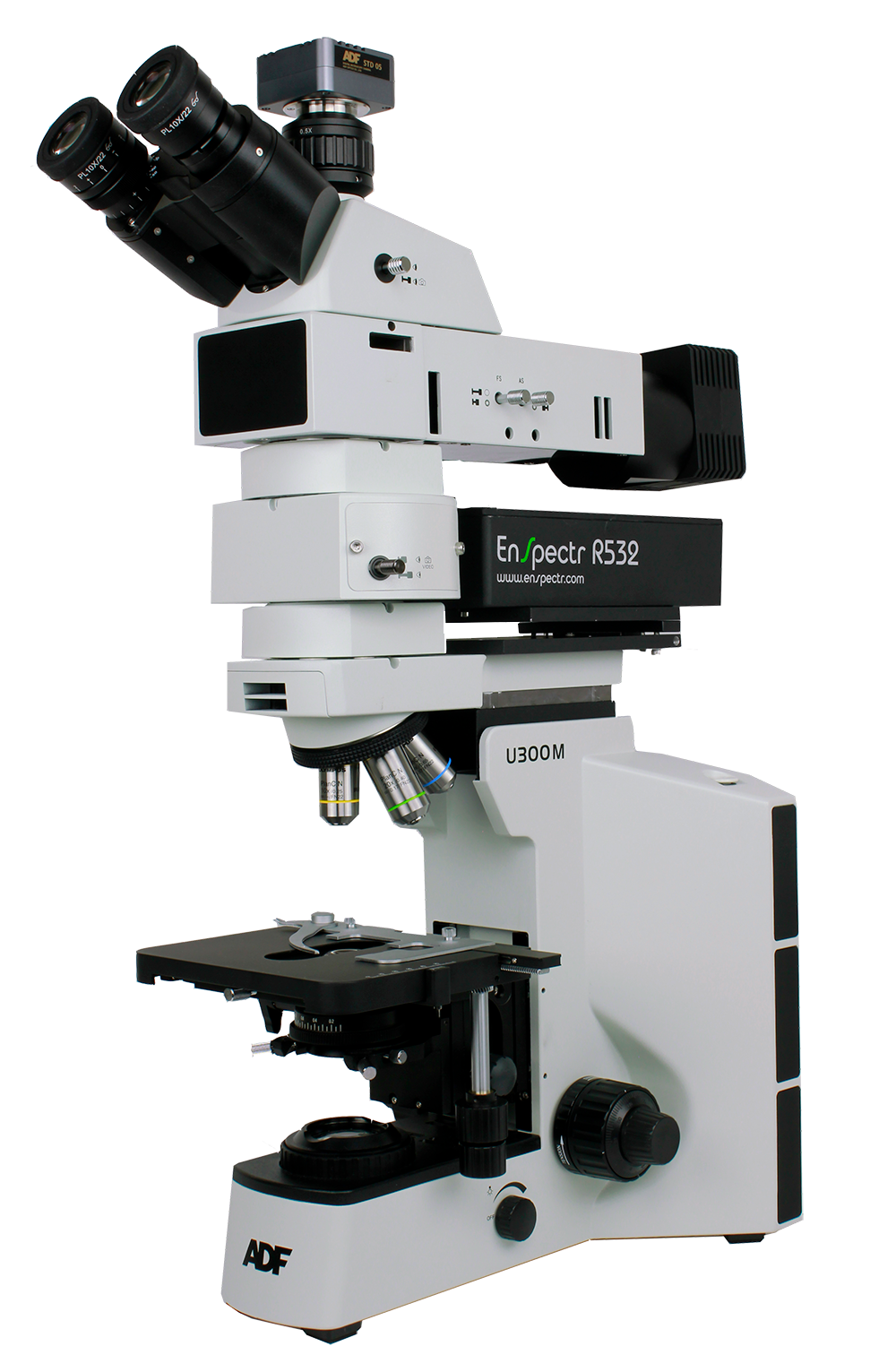
M532 Raman microscope by Spektr-M
1 supp.
The M532® Raman microscope combines the capabilities of the Inspectr R532® Portable Raman Express Analyzer and the U300M microscope, adapting it for both transmission and reflection measurements. The wide functionality of the M532 microscope makes it possible to find and analyze individual particles with a size of 2-3 µm among many similar ones with similar physical and chemical properties, which opens up new research opportunities within the framework of a single Raman system. A spatial resolution of 1 µm and a spectral resolution of 4-6 cm-1 ensure excellent measurement accuracy and reproducibility. The compact design and portability of the instrument allow for high-quality and instant analysis of substances without sample preparation, which makes the M532 microscope an indispensable instrument for a wide range of studies. Equipped with a motorized slide (optional) with a step of 0.36 µm, the M532 microscope scans the surface of the sample, recognizes substances in multi-component heterogeneous mixtures and creates a graphical image of the intensities of Raman scattering characteristic lines at various points on the surface (2D mapping), which makes the M532 microscope the most advantageous in terms of price-quality ratio scanning Raman microscope in the world market.
Spektr-M
Chernogolovka
Produced in: Chernogolovka, Moscow region
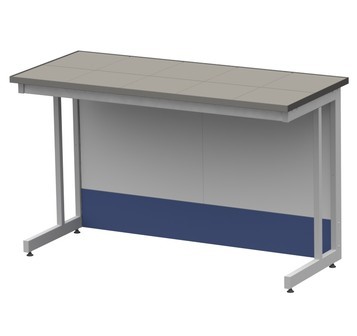
Laboratory work table high LAB-PRO SLv 90.65.90 KG-ESS
1 supp.
Laboratory work desk
Table top: KG-ESS (porcelain stoneware) with a side made of n/w steel
Length, mm: 900
Depth, mm: 650
Height, mm: 900
BASIC EQUIPMENT
The base is a collapsible frame made of rectangular steel profile, painted with powder paint (RAL 7035) with the texture of shagreen leather
Hidden fasteners
Two easily removable rear screens (RAL 7035) and one non-removable (RAL 5023)
Adjustable supports (0-40 mm)
LOIP
Saint Petersburg
Produced in: Saint Petersburg
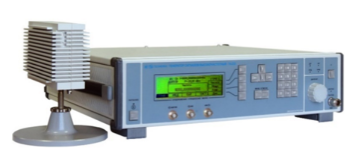
High-frequency signal generator G4-232
A remote frequency converter with coaxial output extends the frequency range up to 37.5 GHz. The included coaxial-waveguide transitions and the ability to connect a small frequency converter directly to the user's device expand the scope of the device.
The generator is capable of operating both independently and as part of automated measuring systems with USB and IEEE-488 (CPC) interfaces.
Technical specifications
The frequency range at the output of the base unit is from 5 to 20 GHz
The frequency range at the output of the frequency converter is from 5 to 37.5 GHz
Frequency tuning discreteness 0.001 Hz
The main error of the frequency setting is ± 3x10⁻⁷ Hz
The range of setting the signal power level at the output of the base unit is from minus 110 to 13 dBm
The range of setting the signal power level at the output of the frequency converter is from 0 to 13 dBm
The basic error of setting the reference power level is ± (1.0 – 2.0) dB
Metrological characteristics of the generator in the FM operation mode:
- frequency range of the modulating signal:
LF from 1 Hz to 20 kHz
RF from 10 Hz to 100 kHz
- frequency deviation setting range (taking into account the carrier frequency value):
LF from 1 Hz to 200 kHz
RF from 10 Hz to 10000 kHz
- the main error of the frequency deviation setting is ± (5 – 18)%
Metrological characteristics of the generator in AM operation mode:
- frequency range of the modulating signal from 0.05 to 5.0 kHz
- the range of setting the amplitude modulation coefficient from 1 to 50 %
- the basic error of setting the amplitude modulation coefficient:
internal ± (0.15 M + 0.2)%
external ± (0.20 M + 0.5)%
Metrological characteristics of the generator in the IM operation mode:
- the duration range of modulating pulses from 100 ns to 20 s
- the range of the modulating pulse repetition period from 140 ns to 30 s
- the difference in the duration of the output RF pulses from the duration of the modulating pulses ± 100 ns
Operating temperature range from minus 10°C to 40 °C
AC power supply 220 V, 50 Hz
Power consumption, no more than 150 VA
Overall dimensions, mm 498x136x487
Weight, not more than 20 kg
TEKHNOYAKS
Moscow
Produced in: Moscow
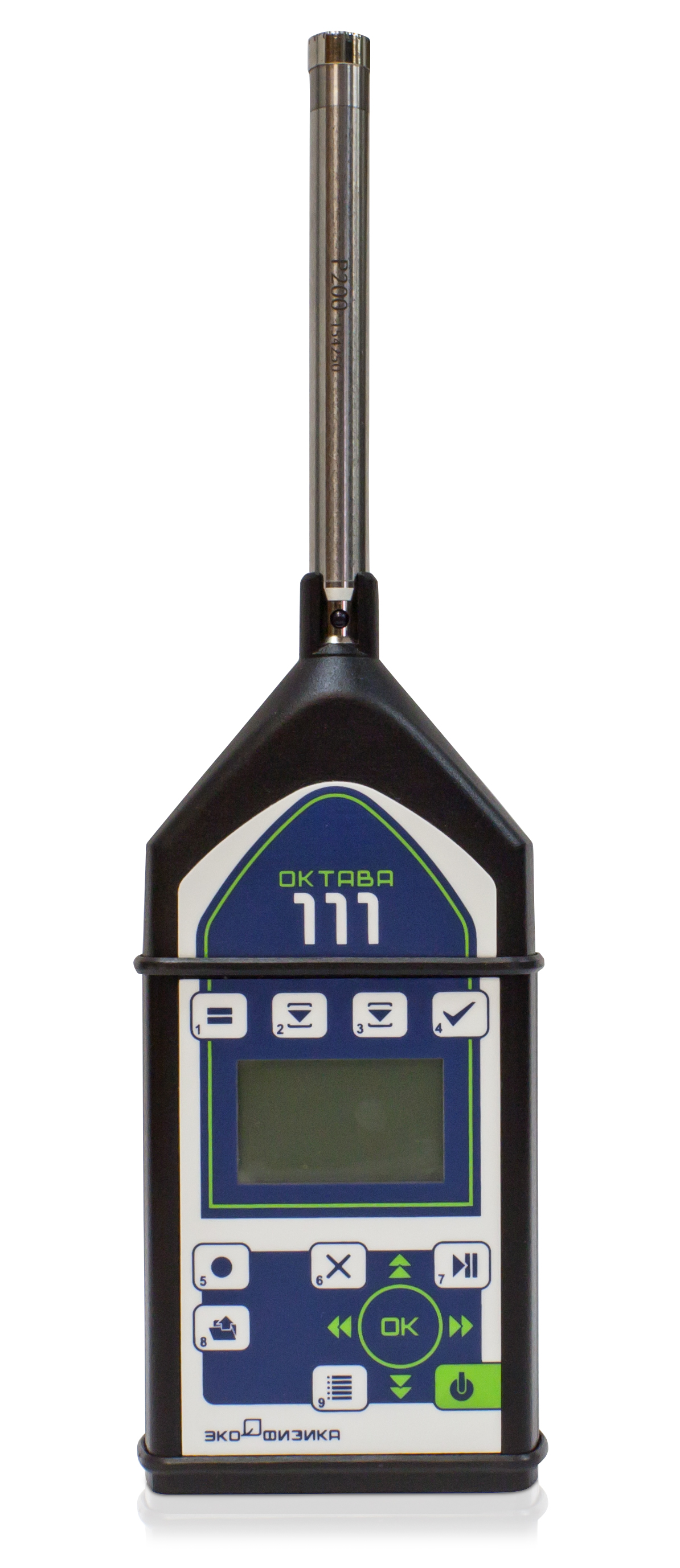
OCTAVE-111 Noise meter, spectrum analyzer
Functionality
■ Sound level measurement: Class 1 according to GOST 17187-2010, IEC 61672-1
■ Measures sound pressure levels in octave and third octave frequency bands
■ Has a metal body, resistant to external influences
■ Automatic recording of measurement results in memory
■ Non-volatile memory
■ Telemetry channel, remote control and operation of the device
Features
■ Easy setup: one measurement mode, all values are measured
simultaneously
■ Easy to manage: all results are grouped in two windows
■ Measurement of sound levels below 20 dBA
■ Affordable solution
Application areas
■ Noise control in residential and public buildings
■ Noise control on the territory of enterprises and residential buildings
■ Production control
■ Vehicle inspection
Complies with standards:
- as a noise meter: GOST 53188.1-2019 (17187-2010, IEC 61672-1), Class 1
- as a spectrum analyzer: GOST R 8.714-2010, IEC 61260 (Class 1)
Noise meter mode
- Measuring range of sound levels, dBA: from 19 to 150*
- Frequency characteristics: A, C, Z, AU, FI, G
- Time characteristics: S, F, I, Peak, Leq
* When equipped with 50 mV/Pa microphones and 12 mV/Pa
Spectrum Analyzer mode with constant relative bandwidth
- Frequency range of digital octave filters, Hz: 31.5 - 16000
- Frequency range of digital third-octave filters, Hz: 25 - 20000
PKF TSIFROVYE PRIBORY
Moscow
Produced in: Moscow
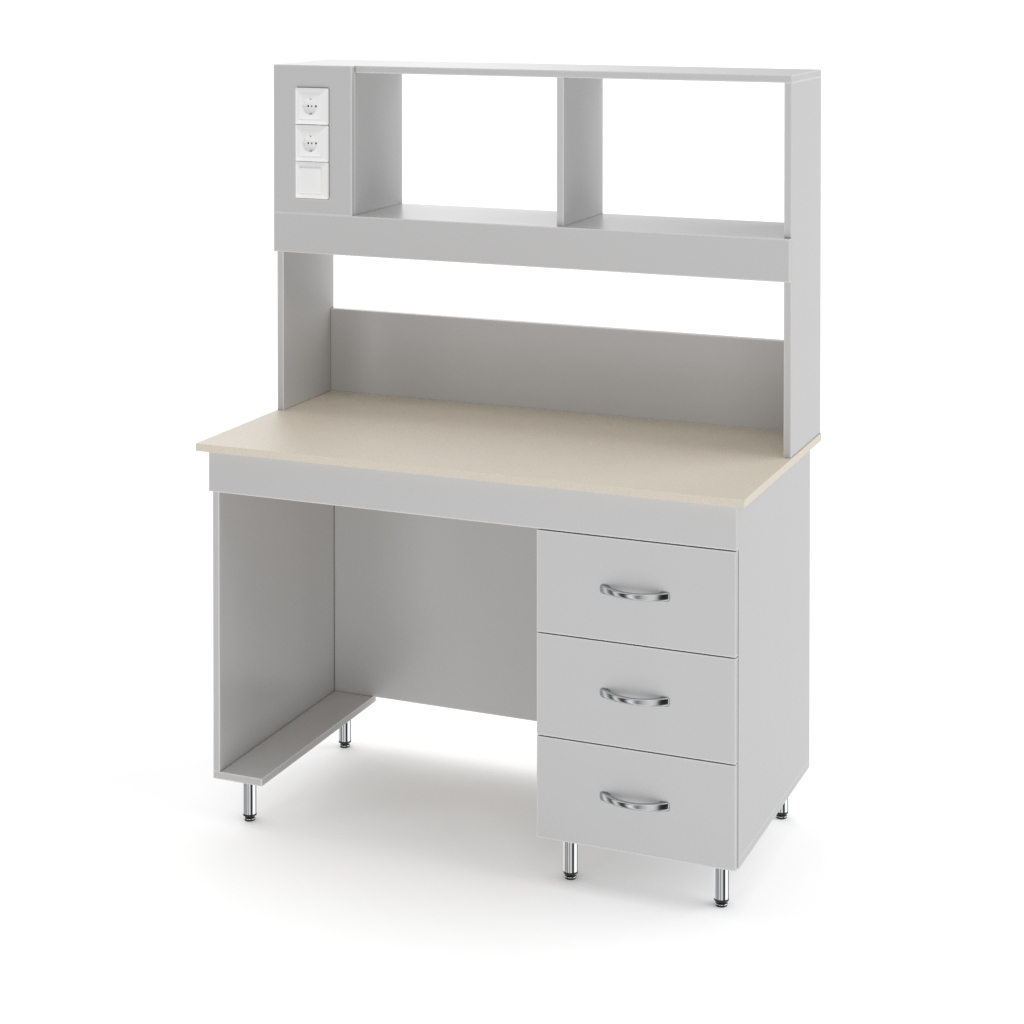
NV-1210 PC Physical wall-mounted laboratory table (1210×610×1650)
from
25 005 ₽
NV-1210 PC is a wall table with a superstructure in the NV line. The table top is made of monolithic ceramic with a depth of 70 cm and a width of 121 cm. A lamp and two sockets are built into the superstructure. It is designed for standing work: the height of the table top is 85 cm.
External dimensions of the table (W×D×H): 1210×700×1650 mm.
The table top made of monolithic ceramics is moisture-resistant, perfectly withstands high temperatures. It is more resistant to chemicals and heat than ceramic tile since there are no seams.
The superstructure allows you to compactly place the necessary reagents and laboratory utensils next to the workplace. Its depth is 25 cm, and its height is 80 cm.
The working area is illuminated by a fluorescent lamp (included in the package). The switch is located on the left-hand side of the superstructure. There are also two sockets, one of which is grounded. Sockets have the IP20 degree of protection, maximum load: 1.5 kW.
On the right-hand side under the table top there is a built-in cabinet with three drawers. You can store laboratory utensils, equipment accessories or other small things there.
The side laminated panels of the table (chipboard 16 mm thick) are edged with a 2 mm PVC edge, which increases their impact resistance and mechanical strength.
The legs of the table are adjustable in height within two centimeters, allowing you to place it even on a rather uneven floor.
Advantages of NV-1210 PC tables
The working surface is made of monolithic ceramics.
It is convenient to work while standing: the height of the working surface is 85 cm.
On the shelves and in the drawers of the table you can store accessories to the devices on the table, laboratory utensils or reagents.
Application of NV-1210 PC tables
Tables of the NV series are used in laboratories of the widest profile: at food and light industry enterprises, in scientific and educational workshops, in chemistry classrooms, quality control centers, medical organizations and many others.
NV LAB
Moscow
Produced in: Moscow, Moscow region
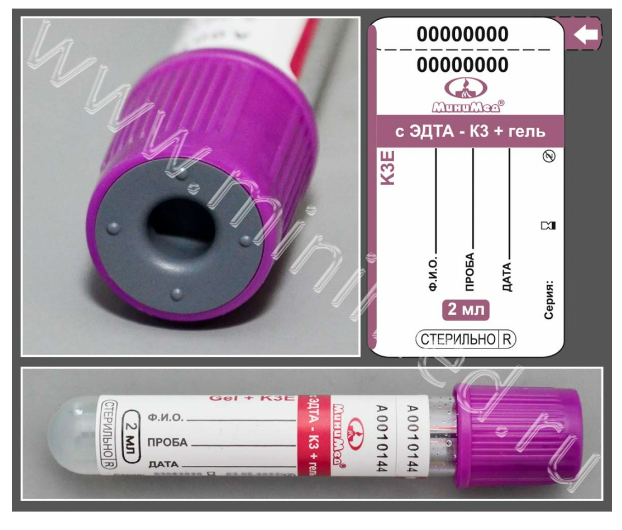
Vacuum tube MiniMed with K3-EDTA and separation gel, 2ml, 13×75mm, purple, PET, pack.100 pcs,
from
1 250 ₽
The potassium salt of ethylenediaminetetraacetic acid (EDTA) is the preferred anticoagulant for hematological studies. Gel is a special material designed to form a stable barrier between the cellular components of blood and serum during centrifugation.
Material for research............... EDTA-blood, plasma
Scope of application............................ hematological examination of whole blood
MiniMed
Suponevo
Produced in: Bryansk region
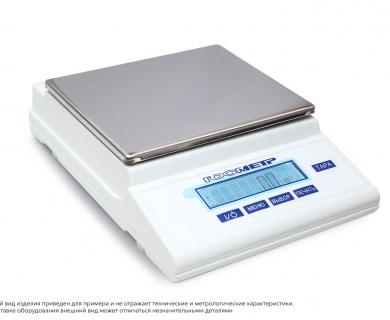
Technical laboratory scales VLTE-4100T
from
34 990 ₽
Technical specifications:
NIP, g 4100
Discreteness, g0,1
External calibration
The size of the scale bowl / platform, mm175x145
The smallest weighing limit, g5
The limits of permissible error during initial verification, mgot 0.5g to 500 g incl. ±50; sv. 500g to 2000g incl. ±100; sv. 2000g to 4100g incl. ±150 according to GOST OIML R 76-1-2011
Accuracy class according to GOST OIML R 76-1-2011II is high
Weight adjustment 2kgF2*
The time of setting the readings, s, no more than ~ 1 - 1.5
7 years warranty
Gosmetr
Saint Petersburg
Produced in: Saint Petersburg

Vacuum tube MiniMed with K3-EDTA and separation gel, 10 ml, 16×100mm, purple, PET, pack.100 pcs.
from
1 056 ₽
The potassium salt of ethylenediaminetetraacetic acid (EDTA) is the preferred anticoagulant for hematological studies. Gel is a special material designed to form a stable barrier between the cellular components of blood and serum during centrifugation.
Material for research............... EDTA-blood, plasma
Scope of application............................ hematological examination of whole blood
MiniMed
Suponevo
Produced in: Bryansk region